
Building a new home is one of the biggest investments for any family. Today, homeowners are not just focusing on beautiful interiors and modern architecture — they also want homes that are smarter, safer, and more convenient to live in.
This is one of the biggest reasons why smart home automation is becoming increasingly popular in Chandigarh, Mohali, and Panchkula. From smart lighting and automated curtains to advanced security systems and voice-controlled appliances, homeowners now want technology that improves everyday living.
However, many people make the mistake of thinking about automation only after construction is completed. In reality, the best smart homes are the ones that are planned properly from the very beginning.
If you are building a new house or renovating your existing home, here are some important things you should know before installing smart home automation:
1. Plan Smart Home Automation During Construction
One of the biggest advantages of planning automation early is that it allows proper electrical and network planning before interiors are finalized.
When automation is included during construction, devices can be integrated more cleanly into the home without visible wiring or future modifications. It also becomes easier to place switches, sensors, smart panels, and routers in the right locations.
Many homeowners who delay automation planning later face unnecessary rewiring expenses and installation complications. Early planning not only saves money in the long run but also ensures better performance and a cleaner overall setup in the house.
2. Understand What You Actually Need
A common mistake homeowners make is trying to automate everything at once. Smart home automation works best when it is designed according to your lifestyle and daily requirements.
For some families, security may be the top priority. Others may want convenience features like voice-controlled lighting or automated curtains. Some homeowners are more interested in energy savings and climate control.
Instead of focusing only on luxury features, think about the everyday problems you want automation to solve. This helps create a smarter and more practical setup without unnecessary expenses.
3. Smart Lighting is Usually the Best Starting Point
For most homeowners, smart lighting is the first step toward automation.
Smart lighting systems allow you to control lights remotely through mobile apps or voice assistants like Alexa and Google Home. You can schedule lighting according to your routine, create mood-based scenes, and even automate lights using motion sensors.
For example, outdoor lights can turn on automatically in the evening, while bedroom lights can slowly dim at night for a more comfortable environment.
Apart from convenience, smart lighting also helps reduce electricity wastage by ensuring lights are not left on unnecessarily.
4. Home Security Should Be Part of the Planning
Security is one of the biggest reasons why homeowners invest in smart automation systems today.
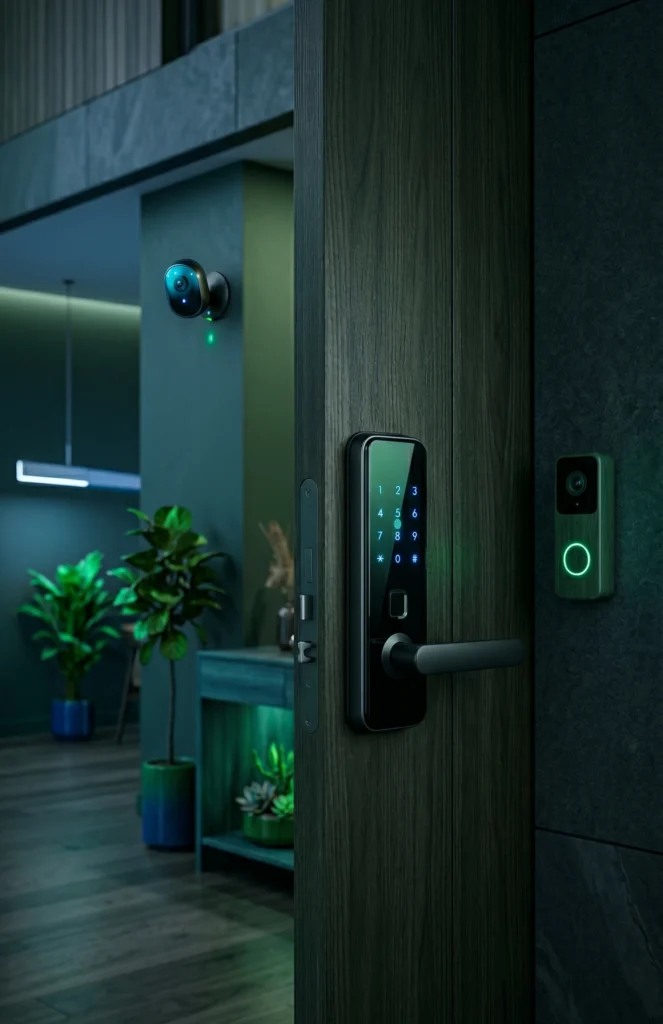
Modern smart homes can integrate CCTV cameras, smart locks, motion sensors, and video doorbells into a centralized system that can be controlled directly from a mobile phone via app.
This becomes especially useful for families who travel frequently or want to monitor their property remotely. Instead of relying only on traditional security systems, homeowners now prefer smart solutions that provide real-time notifications and remote access.
Planning security systems early during construction also helps with proper camera placement and hidden wiring.
5. Choosing the Right Technology is Important
One of the most confusing parts of smart home automation is selecting the right technology.
Different systems are designed for different types of homes and budgets.
Wi-Fi-based automation is usually suitable for apartments and smaller homes because it is simple and budget-friendly.
Zigbee systems offer better connectivity and stability for homes with multiple smart devices.
KNX automation is considered a premium solution and is commonly used in luxury villas and larger properties because of its reliability and scalability.
The right choice depends on your property size, future expansion plans, and the level of automation you want in your home.
6. Think About Future Expansion
A smart home should always be future-ready.
Even if you are starting with basic automation today, your system should allow future upgrades without requiring complete replacement. Over time, you may want to add more smart devices, integrate solar systems, automate additional rooms, or install advanced entertainment systems.
Choosing scalable automation solutions during the initial stage helps avoid unnecessary expenses later.
7. Don’t Ignore Manual Controls
A well-designed smart home should never become difficult to operate.
While voice assistants and mobile apps offer convenience, manual controls are still important. Guests, elderly family members, or even homeowners themselves may prefer traditional switches in certain situations.
Good automation systems maintain a balance between modern smart controls and simple usability. The goal of automation is to simplify life, not make daily activities more complicated.
8. Smart Homes are About More Than Luxury
Many people still believe smart home automation is only for luxury villas or expensive properties. In reality, automation is becoming increasingly practical and accessible for modern Indian homes.
Today, homeowners are using smart automation to improve convenience, reduce electricity wastage, strengthen security, and simplify daily routines. Whether it is controlling lights remotely, monitoring your home while traveling, or automating repetitive tasks, smart homes are designed to make life easier and more efficient.
This is why smart home automation is rapidly growing across Chandigarh, Mohali, and Panchkula.
Final Thoughts
Installing smart home automation is a long-term investment that should be planned carefully from the beginning.
The right automation system can improve comfort, security, energy efficiency, and overall lifestyle while also making your home future-ready. By planning early, selecting the right technology, and having an option to expand later, homeowners can create a smart home that is practical, reliable, and easy to use for years to come.
FAQs
Is smart home automation suitable for apartments?
Yes, modern automation systems are suitable for apartments, independent houses, duplex homes, and luxury villas.
Can smart home automation help reduce electricity bills?
Yes, automation systems optimize lighting, cooling, and appliance usage which helps reduce unnecessary electricity consumption.
When should smart home automation be planned?
The best time is during construction or renovation so wiring and device placement can be planned properly.
Is smart home automation expensive?
Smart home automation is available for different budgets. Homeowners can start with basic features and gradually expand their systems later.
Before You Start: A Quick Checklist
If you’re about to build or renovate, keep these five things in mind before the wiring goes in — getting them right early saves a lot of money and headaches later:
- Plan during construction, not after — running conduits and wiring before the walls are closed is far cheaper than retrofitting.
- Pick the right protocol — KNX for a wired, future-proof backbone; Zigbee and Wi-Fi for flexible, add-on-later devices.
- Prioritise what matters to you — most homes start with lighting, security, and door locks, then grow from there.
- Think about scalability — choose a system you can expand room by room without ripping anything out.
- Work with a professional installer — proper design and after-sales support matter more than any single gadget.
Building a new home in Chandigarh, Mohali, Panchkula, or Zirakpur? A quick free consultation before your electrical work begins is the single best thing you can do — we’ll map out the wiring and devices so your smart home is ready from day one.